Tips For Memory Care Residents
Provide patience, structure, and positive reinforcement. Encourage engagement and focus on their abilities.
Memory care is an essential part of senior care, especially for those dealing with conditions like dementia or Alzheimer's. It involves a specialized approach to the unique needs of individuals experiencing memory loss. Whether you're a resident of a nursing home, assisted living facility, or receiving in-home care, there are numerous strategies to enhance daily living. This blog post provides practical tips to ensure comfort, health, and happiness for memory care residents. Let's dive into understanding how we can best support seniors in their journey through geriatric care.
Establish a Routine
Creating a consistent daily routine can greatly benefit residents in memory care. Regular activities and schedules provide a sense of stability, which can be calming for individuals with memory loss. A typical day might include meals, exercise, social activities, and personal time. This predictability helps reduce anxiety and confusion and facilitates better engagement in activities. For more insights into the various options available in memory care, check out this guide on Memory Care Options.
Foster Connection and Socialization
Social interaction is vital for emotional well-being, especially in senior living communities. Encourage residents to participate in group activities or outings. Whether it's arts and crafts, bingo, or simple discussions, connecting with peers can enrich their lives. Families should also make an effort to visit regularly, as familiar faces help ground residents, reinforcing their sense of belonging. The importance of socialization can’t be understated, particularly in long-term care settings.
Utilize Reminders and Cues
Residents may benefit from various forms of reminders, which can help them manage their daily tasks. Simple tools, like calendars, whiteboards, or smartphone apps, can assist with keeping track of appointments or daily activities. Labels on cabinets or personal belongings can also help residents easily find what they need. These practical aids contribute significantly to independent living even within supportive environments.
Encourage Engagement in Personal Activities
Encourage residents to engage in activities they enjoyed prior to memory challenges. This could include hobbies such as gardening, painting, or listening to music. These familiar pastimes can elicit positive memories and contribute to overall happiness. Each resident's capacity for participation will vary, but adapting activities to suit their needs will create a gratifying experience tailored to their interests.
Implement Safety Measures
Safety is paramount within any memory care unit. Ensure that living spaces are free of hazards such as tripping risks and have secure exits. Installing safety locks on doors and using non-slip mats can provide peace of mind for both residents and their families. Additionally, for those considering skilled nursing or residential care, it’s important to evaluate the location for its safety and security features.
Nutrition and Meal Planning
If possible, involve residents in selecting meal options. This not only encourages participation but also fosters a sense of control over their dietary choices. Additionally, consider dietary restrictions or preferences when planning meals. Proper nutrition plays a critical role in overall health, particularly for individuals receiving dementia care or Alzheimer's care.
The benefits of balanced nutrition extend beyond physical health, positively impacting mood and cognitive function.
Incorporate Physical Activity
Physical activity is equally important as mental activity. Gentle exercises, such as walking, stretching, or yoga, can significantly elevate one’s mood and cognitive abilities. Group exercises are also a great way to promote camaraderie among residents. It’s vital to adapt the intensity of the activity to meet the varying abilities of seniors to ensure everyone can safely participate.
Communicate Clearly and Patience
When communicating with residents, it's essential to be clear and patient. Use simple sentences, and maintain eye contact to reinforce understanding. Avoid talking down to them; instead, treat them with respect and dignity. Engaging them in conversation about their life experiences or memories can be quite comforting. Effective communication can lead to a better bond between resident and caregiver, ultimately benefiting the entire senior care ecosystem.
Music and Memory
Music has a powerful impact on memory and emotions. Create playlists that feature songs from the resident's youth. Familiar melodies can spark fond memories and even boost cognitive interaction. Consider organizing sing-alongs or music therapy sessions as they can bring residents together, enhancing social connections and boosting spirits.
Encourage Independence
As much as possible, encourage independence in tasks like dressing, personal hygiene, and other daily living activities. Supporting residents in completing these tasks fosters a sense of achievement and self-worth. Avoid hastily jumping in to offer assistance unless they genuinely need it. This balance not only promotes dignity but also enhances their abilities to perform tasks that are critical for maintaining their quality of life.
Educational Support for Families
Families play an irreplaceable role in ensuring the well-being of memory care residents. Educational resources are invaluable for families to understand the complexities of Alzheimer's or dementia. They should be offered support and guidance on how to deal with behavioral changes or coping strategies. Explore articles such as Caring For Seniors With Memory Loss for effective advice on managing these challenges.
Personalized Care Plans
Each resident is unique, requiring a personalized care plan that accommodates their individual needs. Staff should work together with family members to establish and review these plans at regular intervals. Evaluating the effectiveness of strategies ensures that the resident is receiving the best possible care. Such plans should consider not just health but emotional and social dimensions as well, promoting overall wellness.
Explore the Right Living Environment
Finding the right environment is crucial for a resident's comfort and safety. When exploring assisted living options, look for facilities that specialize in memory care. Understanding amenities and activities offered can significantly impact a resident's quality of life. For an in-depth understanding of different memory care options, refer to Understanding Senior Memory Care.
In Conclusion
Memory care is a crucial aspect of geriatric care that supports individuals dealing with memory loss. Incorporating routines, social activities, healthy living, and tailored care plans will vastly improve their quality of life. Being a resident or a caregiver within this specialized realm can be a rewarding yet challenging endeavor, as it strives for dignity and respect in every aspect of a senior’s journey. Remember to consult and collaborate with healthcare professionals for the most current best practices in elder care.
Posts Relacionados

4Patriots Senior Savings Offers
Seniors can find savings with 4Patriots discount codes. Explore deals and promo offers for prepping supplies.
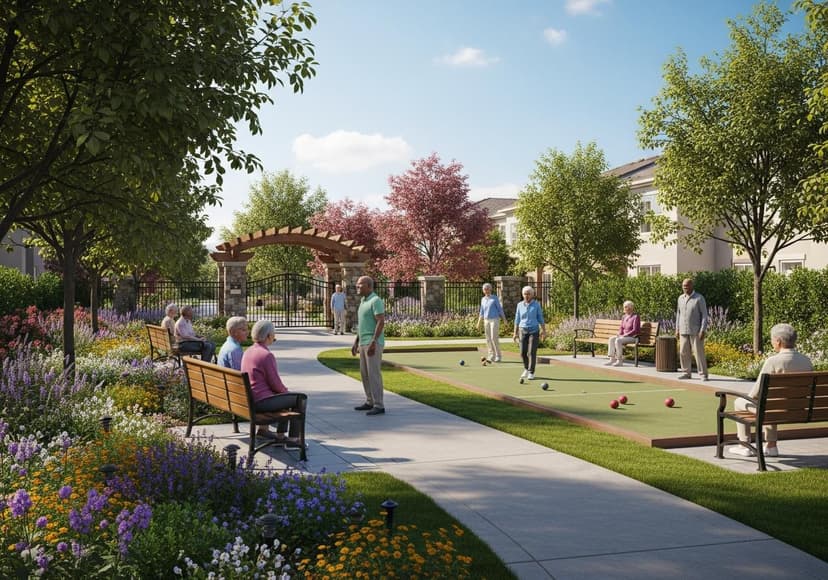
55 Plus Active Adult Communities
The 65 Plus Senior Communities foster active lifestyles, offering various amenities and social engagement opportunities for residents.
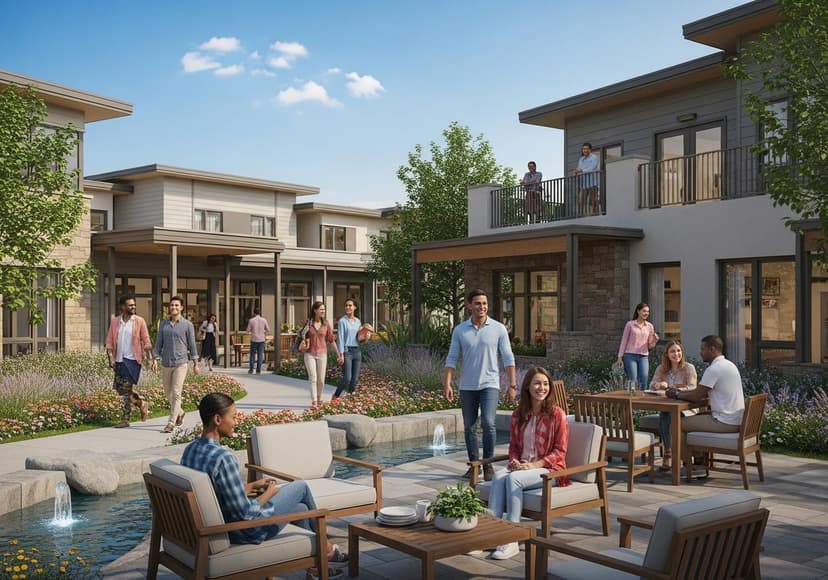
55 Plus Senior Communities Active Adult Living
These communities offer active lifestyles, social opportunities, and age-restricted housing designed for seniors seeking engagement.