The Itch Scratch Cycle Breaking The Habit
Severe itchy skin originates from various factors, including underlying medical issues and allergic reactions, needing prompt solutions.
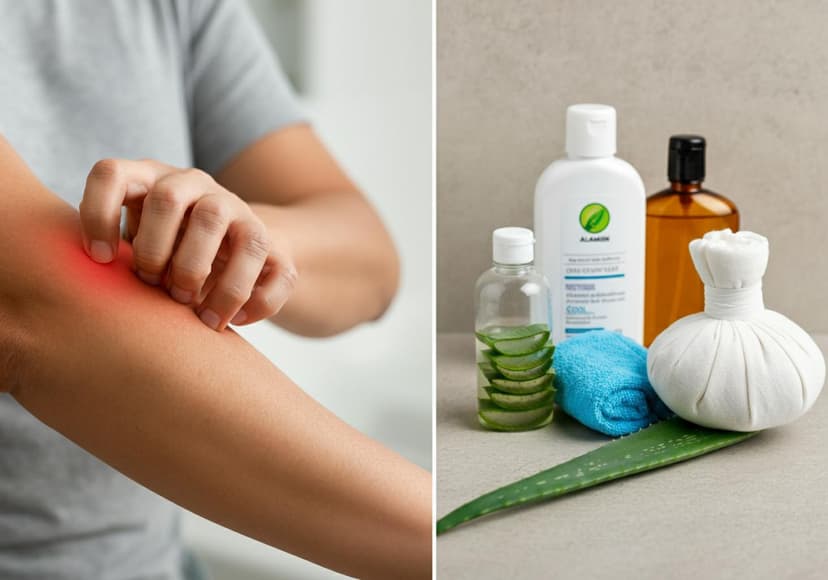
Welcome to our exploration of the infamous itch scratch cycle, a tricky behavior that many of us fall prey to, especially those battling skin conditions like Eczema, Psoriasis, and others. It's easy to think that scratching is the natural response to that irritating itch, but this habit can lead to a vicious cycle that is hard to break. Let’s dive into how this cycle operates and what you can do to reclaim your smooth skin!
Understanding the Itch Scratch Cycle
The itch scratch cycle is a repetitive cycle that often begins with an itch, prompting the urge to scratch. This scratching can lead to inflammation and damage to the skin, which may further intensify the sensation of itching. Conditions like Atopic Dermatitis and Neurodermatitis are classic examples of situations where this cycle can spiral out of control. In essence, the very act of scratching may worsen the skin condition, creating an endless need to scratch, leading to even greater irritation.
Conditions Affected by the Cycle
To understand the itch scratch cycle, it’s vital to recognize the common skin conditions that fuel this perpetual irritation. Besides Neurodermatitis, let's explore some others:
- Eczema: This inflammatory skin condition can cause immense itching, leading patients to repeatedly scratch their skin.
- Psoriasis: White or red patches on the skin may be itchy or painful, where scratching might exacerbate symptoms.
- Dermatitis: This umbrella term encompasses various skin irritations that provoke the itch scratch cycle.
- Hives or Urticaria: These are welts that can appear and disappear with severe itching, making scratching seem like the only relief.
- Contact Dermatitis: Caused by touching irritants, it can lead to red, itchy rashes that beg to be scratched.
- Xerosis: This term means dry skin, which often leads to itching and scratching.
- Scabies: Highly itchy skin condition caused by mites; scratching leads to secondary infections.
- Lichen Simplex Chronicus: This occurs when repeated itching and scratching cause thickening of the skin.
- Neurodermatitis: A chronic condition that leads to localized patches of itchy skin, often worsened by scratching.
What Causes Itching?
Itching, or Pruritus, can stem from a variety of causes. Identifying the underlying issue is crucial for breaking the cycle. Here are some common culprits:
- Skin conditions like eczema, psoriasis, or dermatitis.
- Allergic reactions, possibly leading to hives or urticaria.
- Dry skin due to environmental factors.
- External irritants that touch the skin.
- Internal diseases, such as liver or kidney issues, which may present as skin itchiness.
If you're unsure if your itch is serious or not, it might be time to see a doctor. In certain cases, persistent itching may require professional help!
Breaking the Cycle: Tips for Relief
So, how do we break free from the itch scratch cycle? Here are some effective strategies:
Hydration is key! Regularly applying moisturizers can help prevent dryness that triggers itching. Look for products that contain ingredients such as ceramides or hyaluronic acid.
Over-the-counter hydrocortisone creams and antihistamines can provide temporary relief for itching. These help to reduce inflammation and calm the skin down.
Identifying your personal triggers is crucial. Keep a diary of when the itching occurs to track your patterns. Avoid specific soaps, fabrics, and any known allergens that could flare up your skin condition.
Stress can exacerbate many skin conditions, resulting in increased itching. Techniques like yoga, meditation, and deep-breathing exercises can help you manage your stress and, in turn, reduce your need to scratch.
A simple cold pack can soothe inflamed skin and reduce the itch. Apply it for 15-20 minutes for instant relief.
It may sound simple, but short nails can greatly reduce the damage done if you do scratch. Consider wearing gloves at night if you can’t resist.
Medical Intervention
In severe cases where itching does not respond to over-the-counter treatments, a doctor might prescribe stronger medications. These may include topical steroids or other prescription treatments that target specific dermatological conditions.
Understanding these options can help you manage your symptoms better. For example, topical treatments for conditions such as Scabies or Neurodermatitis might require a different approach than lotions for dry skin due to Xerosis.
The Role of Lifestyle Choices
Your overall lifestyle affects your skin health as much as your treatments. Consider the following:
- Stay hydrated by drinking adequate amounts of water.
- Eat a balanced diet rich in antioxidants and omega fatty acids.
- Get regular exercise to promote circulation.
- Practice good skincare routines like gentle cleansing.
These changes can provide not only systemic health benefits but also help in reducing skin irritation and thereby mitigating itching.
The Importance of Patience and Consistency
Breaking the itch scratch cycle isn’t an easy task. It requires patience and consistency. Make small adjustments and give the new approaches some time to notice a change. Skincare habits can take weeks to show improvement, so it's essential to stick with it for the long haul.
When to Seek Professional Help
If you find yourself trapped in this cycle with persistent itching, it's essential to consult with a healthcare provider. Some conditions like severe eczema or dermatitis can get complicated if left untreated. For more information on when to seek help, visit this comprehensive guide.
Conclusion: Take Control of Your Skin Health
Breaking the itch scratch cycle is a journey that involves understanding your skin, knowing your triggers, and adopting effective skincare habits. Whether it’s due to Neurodermatitis, Eczema, or other conditions, taking proactive steps is vital.
Remember that you are not alone in this. Many people experience similar struggles, and with the right knowledge, support, and treatments, you can take a significant step towards conquering the itch once and for all. Here's to smoother, happier skin!
Posts Relacionados

1Md Supplements Where To Buy Them
Find 1MD supplements at various retailers, ensuring quality and availability for your health needs.

24 7 Emergency Dental Care Guide
Dental emergencies can happen unexpectedly and require fast action. Common situations include severe toothaches, broken or chipped teeth, knocked-out ...

24 Hour Emergency Dentist
Urgent dental issues addressed swiftly, offering immediate relief. Comprehensive emergency services are available for various dental problems.