Senior Living Guide
Find 55+ living near you. Explore communities, amenities, and costs. Discover your ideal retirement lifestyle today.
As our loved ones age, finding the right living situation becomes a priority. It’s important to tailor their living environment to their needs, ensuring they receive proper care while still enjoying life. This guide aims to clarify your options in senior living, whether you're looking for senior apartments, assisted living facilities, or independent living communities. Every situation is unique, and understanding the nuances of each option is essential when choosing the right path.
Understanding Geriatric Care
When looking into geriatric care, it’s vital to recognize that different stages in life come with varying levels of need. Geriatric care encompasses not only medical attention but also emotional, social, and physical support. Consider what your loved one needs most. Options like memory care facilities can cater to those requiring specialized services due to Alzheimer’s or dementia, while nursing homes may offer full-time medical assistance.
Types of Senior Living Options
The landscape of senior housing is vast, ranging from active 55+ communities to comprehensive continuing care retirement communities. Aging is not a one-size-fits-all experience, and the right community can provide a balance of care and independence that matches an individual's needs. Let’s dive into the specifics of each type.
Assisted living facilities are ideal for seniors who require some help with daily activities but still desire a degree of independence. Here, residents typically have their own apartment and can take advantage of community amenities while receiving necessary assistance with medication management or meals. These facilities focus on maximizing personal freedom while providing a safety net.
If your loved one is more independent and enjoys a community atmosphere, independent living communities might be the right fit. These communities offer a range of activities, social opportunities, and amenities without the medical services that assisted living provides. Residents can live on their terms – perfect for those attracted to a vibrant lifestyle in their golden years.
Retirement homes are often geared toward older adults looking for a maintenance-free lifestyle. Typically, these homes come with shared amenities and social programs but are less focused on providing assistance than assisted living facilities. They embody the essence of adult communities where seniors can freely socialize and engage.
Nursing homes offer the most comprehensive care, making them an option for seniors with significant medical needs. These facilities provide 24/7 healthcare services, making them suitable for those who require long-term medical care, including rehabilitation services and physical therapy.
Finding suitable housing for seniors might include options beyond conventional living arrangements. From residential facilities to dedicated retirement communities, there are myriad choices. Communities focused on social structures, safety, and well-being have become increasingly popular, meeting the growing demands of the aging population.
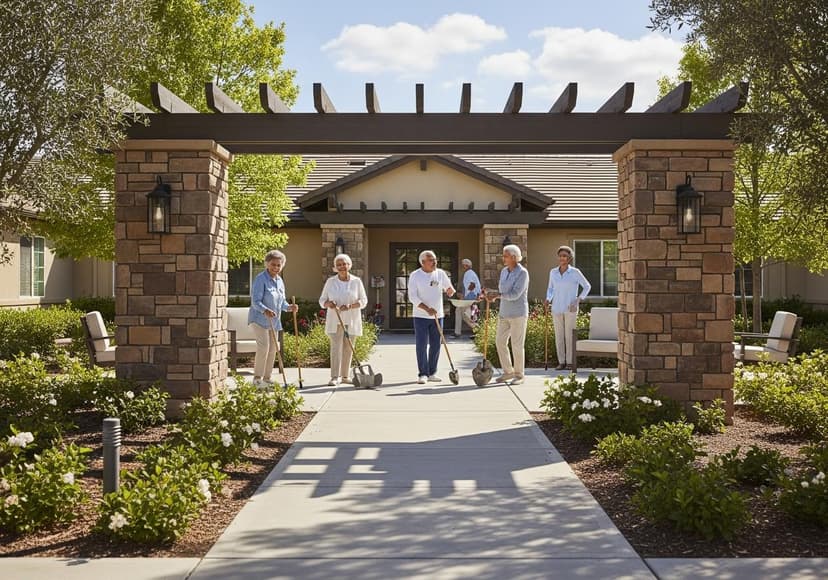
As the name suggests, 55+ communities are designed for seniors aged 55 and older. These neighborhoods often include various recreational opportunities for active adults, fostering community bonds and friendships that go beyond simply living in the same place.
Senior apartments are a great option for those who strive for independence but may need special adjustments in their living space, such as grab bars in the bathroom or wider doorways. They provide comfortable living in community settings, making them a popular choice among seniors.
Continuing care retirement communities (CCRCs) offer a combination of different living arrangements, allowing seniors to transition as their needs change. One can start in an independent living section and gradually move to assisted living or skilled nursing care as necessary — ensuring peace of mind for both seniors and their families.
For those requiring extended support due to chronic illnesses or disabilities, long-term care facilities are designed to provide necessary medical care along with supportive living. These facilities are essential for individuals who cannot care for themselves at home and need constant professional care.
Finding the Right Fit
When searching for the right senior living option, it's crucial to consider factors such as location, affordability, and the specific services provided. Searching for "senior living near me" could lead to a variety of options, so don’t be afraid to explore! Having a shortlist of potential places can simplify decisions that lie ahead.
Resources for Families
As you research the myriad of options available, remember there are resources and services available to assist in finding the best fit. Local senior centers often hold valuable information on housing choices and community services, making them a great starting point. Seeking guidance from professionals in geriatric care can also help you navigate this important transition for your loved one.
Conclusion
Choosing the right senior living solution can feel overwhelming, but a little knowledge goes a long way. Understanding the differences between options like assisted living facilities, independent living communities, and nursing homes puts you in a better position to make a choice that suits your loved one’s needs. Whether they're seeking social opportunities, independence, or more comprehensive care, there are affordable and welcoming options available. Remember that all individuals age differently, and personal circumstances will dictate which community ultimately feels like home.
Posts Relacionados

Real Estate Investment Prospects
Exploring diverse opportunities, analyzing market trends, and assessing risks can lead to profitable ventures.

Accurate Rent Estimates Tips And Tricks
Calculating rent requires evaluating location, amenities, and market trends to provide an informed, precise property valuation.

Active Adult Communities Close To Me
Find age-restricted 55 and older apartments. Explore nearby options and discover ideal living spaces today.