Knee Replacement Options
Orthopedic clinics offer various surgical choices, addressing pain and enhancing mobility, leading to improved joint function and quality of life.
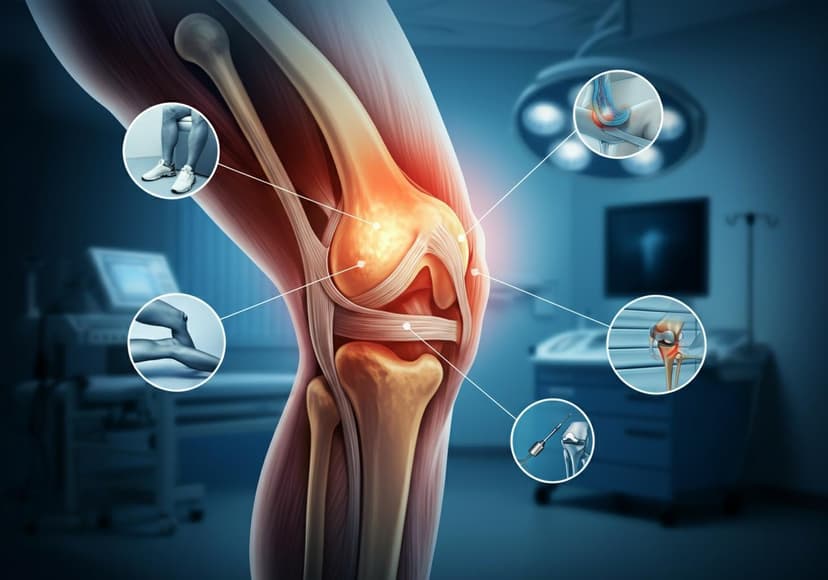
When it comes to addressing knee pain and instability, understanding the various Knee Replacement Surgery options available is crucial. Many individuals coping with severe knee conditions, including osteoarthritis and ongoing sports injury knee issues, may find solace in procedures aimed at restoring mobility and decreasing pain. In this article, we'll explore the different types of knee replacement options, their benefits, and what you can expect from each procedure.
Understanding Knee Replacement Surgery
At its core, Knee Replacement Surgery involves the removal of damaged surfaces of the knee joint and replacing them with artificial components. This surgery is often a last resort when other treatment options, like physical therapy or medications for knee pain relief, have failed. Patients experiencing debilitating pain from conditions like osteoarthritis or previous injuries may consider two main types of knee replacements: Total Knee Replacement and Partial Knee Replacement.
A Total Knee Replacement is designed to replace the entire knee joint. This type of surgery is ideal for individuals whose entire joint is damaged and cannot adequately function. On the other hand, Partial Knee Replacement focuses only on the damaged compartment of the knee, preserving the healthy bone and cartilage. This approach can lead to a quicker recovery and less overall pain post-surgery. Not everyone is a candidate for a partial replacement, so a thorough evaluation by your orthopedist is vital to determine the best option for your unique circumstances.
Knee Arthroplasty: A Comprehensive Approach
Knee Arthroplasty is the medical term for knee replacement procedures. It's an umbrella term encompassing both total and partial replacements. As patients consider surgical options, it's essential to understand how knee arthroplasty works and the recovery process involved. Post-surgery, patients generally face a rehabilitation program that helps restore strength and mobility.
Minimally Invasive Knee Replacement
One of the exciting advancements in knee replacement surgery is the Minimally Invasive Knee Replacement. This technique utilizes smaller incisions than traditional methods, resulting in less tissue damage, reduced pain, and quicker recovery times. Patients can often return to normal activities faster than with conventional procedures. The downside is that not all patients are candidates for this technique, so consultation with your orthopedic surgeon is essential.
The introduction of Robotic Knee Replacement has revolutionized the surgical field. Robots assist surgeons in navigating the complex anatomy of the knee, enabling a more precise and tailored fit for the replacement components. This technology could lead to improved outcomes, reduced complications, and even enhanced longevity for the knee implants. If you are considering knee replacement, be sure to discuss the possibility of robotic-assisted surgery with your doctor.
Revision Knee Replacement: When You Need a Second Chance
Sometimes, despite undergoing knee replacement surgery, complications can arise, leading to pain or instability. This is where Revision Knee Replacement comes into play. This procedure aims to correct issues resulting from the initial surgery or to replace a worn-out implant as time goes on. It's critical for patients to recognize the difference between primary and revision surgery, as the techniques and recovery can differ significantly.
For those with severe deformities or extensive damage, Complex Knee Reconstruction may be necessary. This type of surgery often involves several techniques to repair the knee structure and restore functionality. Complex reconstructions can be a longer and more challenging process, requiring specialized expertise from your orthopedic surgeon.
Osteoarthritis Knee Treatment
One of the primary reasons people opt for knee replacement surgery is to manage Osteoarthritis. This degenerative joint disease causes chronic pain and stiffness in the knees, profoundly impacting daily life. There are various non-surgical treatments available, like physical therapy and anti-inflammatory medications. However, if these fail, surgical options become a realistic solution for long-term relief.
While undergoing any knee replacement procedure can alleviate pain, understanding the recovery process is equally important. Participating in your rehabilitation program maximizes your outcomes. Activities like physical therapy, engaging in low-impact exercises, and adhering to a strength training regimen are all critical in ensuring that your new knee functions optimally. Don't overlook the importance of following up regularly with your healthcare provider to monitor your progress and address any concerns that may arise.
Understanding ACL Reconstruction
Another common issue many face, especially athletes, is a torn anterior cruciate ligament (ACL). Rehabilitation options like ACL reconstruction may also tie into discussions about knee replacement. When damage is specific to the ACL, a different approach from complete knee replacement may be beneficial. Identifying the type of injury and addressing its specificities with the appropriate medical professional is key to optimal recovery.
Depending on your unique situation, the best route is to connect with a specialist. You can start by finding knee specialists near you who can offer personalized recommendations based on your condition. Each individual is different, and partnering with a knowledgeable professional can help pave the way to informed decisions regarding your knee health.
Conclusion: Taking Control of Your Knee Health
Knee replacement options can greatly assist individuals suffering from chronic knee pain due to various ailments. From Total Knee Replacements and Partial Knee Replacements to advanced technologies like Minimally Invasive Knee Replacement and Robotic Knee Replacement, there's a solution for many – you just have to get started on your journey. Remember to consult with medical professionals and weigh your options carefully. For more information on knee pain causes and treatments, check out this resource. Your path to knee pain relief might just be a decision away, so take that step!
Posts Relacionados

1Md Supplements Where To Buy Them
Find 1MD supplements at various retailers, ensuring quality and availability for your health needs.

24 7 Emergency Dental Care Guide
Dental emergencies can happen unexpectedly and require fast action. Common situations include severe toothaches, broken or chipped teeth, knocked-out ...

24 Hour Emergency Dentist
Urgent dental issues addressed swiftly, offering immediate relief. Comprehensive emergency services are available for various dental problems.