Effective Senior Care Coordination
Healthcare coordination for seniors improves their health and well-being through collaborative, integrated support systems.
Understanding Senior Care Coordination
Senior Care Coordination is a vital aspect of senior health services, ensuring that the unique healthcare needs of the elderly are met. In today’s society, the elderly often face a range of medical challenges that require a team of professionals working collaboratively. Effective planning helps streamline the complexities of care coordination for seniors, leading to reduced stress for both seniors and their families.
By integrating services ranging from home health care for seniors to long-term care planning, families can create a comprehensive health strategy tailored to their loved ones' needs. This coordination is essential not only for physical health but also for mental and emotional well-being.
The Pillars of Elderly Care Coordination
Elderly care coordination encompasses various elements, including communication, planning, and resource allocation. One crucial aspect of this process is establishing clear lines of communication among healthcare providers, family members, and the seniors themselves. This ensures that everyone is updated on medical history, current medications, and any changes in condition.
Coordinated care for seniors can help avoid duplication of services and enhances the effectiveness of healthcare interventions. Utilizing resources like geriatric care management can foster better outcomes by integrating community resources and family support into the care plan.
Role of Medicare and Medicaid in Senior Care Coordination
When it comes to financing health services for seniors, Medicare and Medicaid play essential roles. Medicare offers vital health care benefits that include hospital care, doctor visits, and preventive services. Understanding these benefits is crucial to navigating the complex web of senior healthcare.
Medicaid provides further assistance, especially for low-income individuals, helping to cover costs such as long-term care facilities and home health care services. It is essential for families to comprehend their options related to Medicare and Medicaid to maximize the care coordination for seniors they are able to provide.
Home Health Care For Seniors: An Invaluable Option
One of the most popular approaches in senior care coordination is home health care for seniors. This option allows elderly individuals to receive care in the comfort of their own homes while remaining connected to their communities. Services can range from assistance with daily activities to specialized medical care and can be tailored according to each individual's needs.
The freedom to age in place is important for many seniors, and aging in place services can be offered through coordinated efforts among healthcare providers, families, and community resources. Celebrating independence while ensuring safety and comfort is a key goal of effective senior care management.
Long-term Care Planning: A Necessity for Everyone
Long-term care planning is a crucial part of coordinating care for seniors. By anticipating the future needs of elderly individuals, families can set up a sustainable support system that addresses potential challenges. This includes everything from financial planning, legal considerations, and potential living arrangements in the future.
Long-term planning should incorporate preferences for care and living situations, whether that be in a senior community or remaining at home. Being proactive not only eases the burden on families, but it also helps seniors maintain a higher quality of life.
Importance of Senior Health Services
Senior health services encompass a variety of offerings, from preventive care to emergency services. These services are essential for maintaining the health and well-being of elderly individuals. Regular check-ups, screenings, and immunizations can help detect and prevent health issues before they escalate.
Creating a healthcare plan that incorporates regular access to senior health services is a vital part of effective senior care coordination. By working with doctors who specialize in geriatric care, families can ensure that their loved ones receive tailored advice that considers their age and health conditions.
Geriatric Care Management: Customized Care Solutions
Geriatric care management enhances the senior care coordination process by providing customized solutions to complex medical and psychosocial issues. These professionals are experts in identifying needs and linking families with resources and services tailored to seniors.
Through geriatric care management, families find peace of mind knowing that a knowledgeable advocate is overseeing their loved ones' healthcare journey and ensuring that all needs are met. Effective planning and resource allocation through this model contribute significantly to coordinated care for seniors.
Communication is Key in Senior Care Management
Good communication among everyone involved in senior care management is fundamental. Regularly scheduled meetings among family members, healthcare providers, and caregivers can facilitate open discussions regarding changes in health or needs.
Technology can also play a crucial role in enhancing communication. From shared health apps to telehealth services, utilizing modern tools allows information to flow freely and keeps everyone in the loop, thus enhancing the effectiveness of the coordinated care for seniors provided.
How to Choose the Right Senior Health Services
Choosing the right senior health services can feel overwhelming, but keeping a few key factors in mind can ease the process. Families should assess the specific needs of their loved ones, looking for services that are both comprehensive and specialized. Recommendations from healthcare providers, along with gathering feedback from others who have used the services, can also be incredibly valuable.
It’s crucial to prioritize providers who emphasize coordination of care over those who offer fragmented services. A holistic approach is essential as it brings together all aspects of a senior's health into one cohesive care plan.
Conclusion: The Future of Senior Care Coordination
Effective senior care coordination holds the key to a healthier, more fulfilling life for elderly individuals. As the aging population continues to grow, the strategies and practices surrounding senior healthcare will evolve. Families, healthcare providers, and community resources must work together to make sure that seniors receive the best possible care.
Understanding and utilizing resources such as Medicare and Medicaid, senior health services, and ongoing communication can create a support network that significantly improves the quality of life for seniors. Emphasizing coordinated efforts will pave the way for future advancements in senior care coordination, ultimately enhancing the overall health and wellbeing of our elderly population.
Posts Relacionados

4Patriots Senior Savings Offers
Seniors can find savings with 4Patriots discount codes. Explore deals and promo offers for prepping supplies.

55 Plus Active Adult Communities
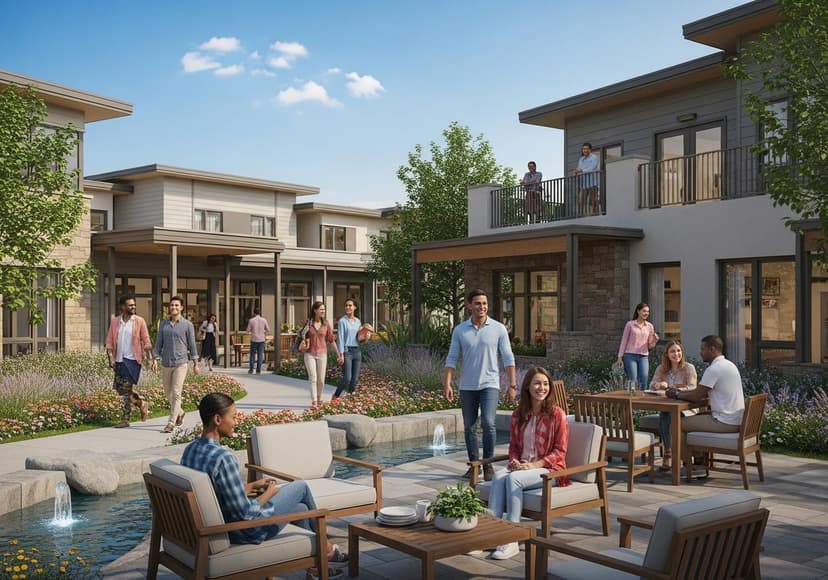
The 65 Plus Senior Communities foster active lifestyles, offering various amenities and social engagement opportunities for residents.
55 Plus Senior Communities Active Adult Living
These communities offer active lifestyles, social opportunities, and age-restricted housing designed for seniors seeking engagement.