Asset Management A Key To Construction Success
Asset management software optimizes construction projects, improving efficiency, reducing costs, and ensuring successful project completion.
Understanding Asset Management
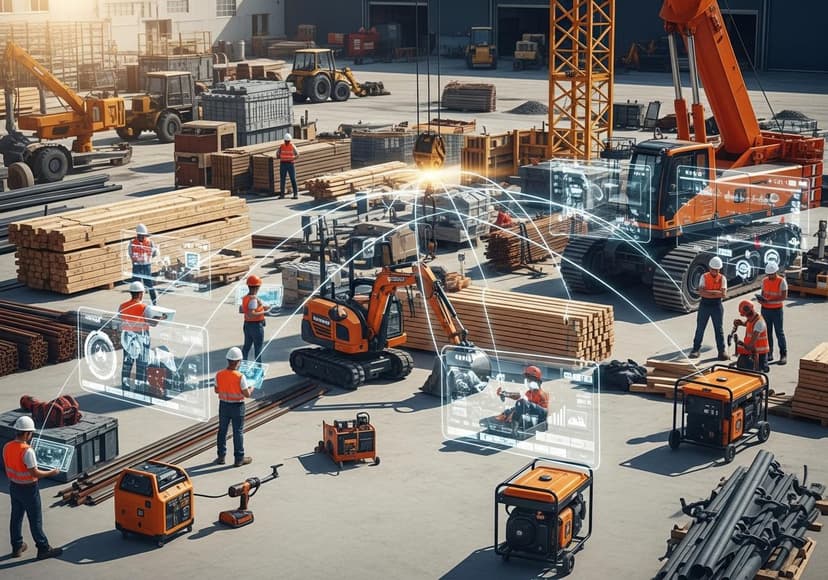
In the world of construction, successful project execution often hinges on effective Asset Management. This involves a strategic approach to oversee and optimize the valuable assets a company possesses, including machinery, equipment, and personnel. By weaving in elements like Inventory Management and Equipment Management, companies can ensure that resources are utilized efficiently, resulting in on-time project completion and enhanced profitability. If you’re curious about how to choose the right asset management software specifically for construction, you may want to check out this detailed guide: Choosing the Right Asset Management Software.
The Importance of Asset Tracking
One of the foundational aspects of asset management is Asset Tracking. Knowing where each piece of machinery or equipment is located and its current condition can make a world of difference in a busy construction landscape. Through effective tracking, project managers can significantly reduce idle assets, ensuring that equipment is not lying unused while it could be getting the job done. Plus, with the right Cost Tracking methods in place, companies can also see where their money flows, allowing for more strategic asset acquisition and disposal decisions.
Preventive Maintenance: Keeping Things Running Smoothly
Another vital component of asset management is Preventive Maintenance. This involves regularly scheduled inspections and repairs aimed at preventing potential equipment failures before they happen. Regular maintenance extends the lifespan of equipment and improves its efficiency, which is essential for meeting deadlines in construction projects. Imagine a scenario where a critical piece of machinery breaks down. Not only does this lead to delays, but it can also increase operational costs. By integrating comprehensive maintenance schedules, companies can effectively dodge these unexpected setbacks.
Mobile Access: Construction Management on the Go
As technology advances, the need for Mobile Access in asset management becomes increasingly crucial. Construction sites are often dynamic environments where changes can happen at a moment’s notice. With mobile access to asset management systems, construction workers and project managers can update equipment statuses, manage work orders, and address any maintenance needs right from the job site. This level of accessibility speeds up decision-making and allows for immediate responses to issues as they arise.
Work Order Management: Streamlining Processes
Work Order Management is another layer of the asset management puzzle. Keeping track of assignments, repairs, and routine checks ensures that all work is done in a timely manner. A solid work order management system allows for better coordination between different teams and can lead to improved project outcomes. It also helps in allocating resources effectively, so everyone knows their responsibilities and deadlines.
Compliance Management: Driving Safety and Accountability
Compliance is key in the construction industry, especially when it comes to safety regulations and environmental standards. Compliance Management can be simplified through effective asset management. By ensuring that all equipment meets required standards and is regularly inspected, construction companies can avoid costly fines and workplace accidents. The importance of a system that tracks compliance cannot be overstated; not only does it keep your team safe, but it also fosters a culture of accountability within the organization. To learn more about compliance in construction asset management, visit: Ensuring Compliance with Construction Asset Management.
Integration Capabilities: The Power of Connectivity
Modern asset management tools boast impressive Integration Capabilities. These systems can easily connect with other applications such as accounting software, project management tools, and customer relationship management systems. Having a cohesive technology ecosystem allows for more seamless operations, reduces the risk of data silos, and enhances overall efficiency. When choosing an asset management solution, it is essential to consider how well it can integrate with your existing tools and systems.
Reporting & Analytics: Data-Driven Decisions
With the increasing importance of data in decision-making, Reporting & Analytics cannot be overlooked in asset management. The right software can provide insightful analytics that inform future project strategies. By using data effectively, construction companies can identify trends in asset usage, project costs, and maintenance needs. This foresight helps in making informed choices that lead to long-term success.
User Training: Ensuring Effective Adoption
Even the best asset management software is only as good as its users. User Training plays a critical role in ensuring that staff can leverage all the functionalities the system offers, from tracking assets efficiently to managing compliance. Investing in robust training programs for your team can facilitate smoother adoption and ultimately result in significant operational improvements. A knowledgeable workforce is key to reaping the full benefits of any asset management system.
Customization Options: Tailoring Solutions to Fit Your Needs
One of the most compelling features of modern asset management software is the range of Customization Options available. Every construction company has unique needs based on their size, type of projects, and operational methods. Therefore, having a tool that can be tailored to fit these specific requirements is essential. Whether it’s customizing dashboards, selecting which data points to prioritize, or setting up automated notifications, customization empowers teams to work more efficiently.
Conclusion: The Path to Construction Success
Integrating effective asset management strategies can be the difference between a successful construction project and a delayed one. By focusing on key aspects such as asset tracking, preventive maintenance, and compliance management, companies can streamline their operations and enhance productivity. Moreover, leveraging technology for mobile access, reporting & analytics, and customization options can lead to an empowered workforce capable of tackling any challenges that arise. Embracing a comprehensive asset management strategy will ultimately pave the way for success in the competitive landscape of construction.
Posts Relacionados

10 Kilowatt Solar Battery Pricing
Find competitive prices for a 10kw solar battery. Explore options and understand cost factors.

5G Availability By Zip Code
Examine zip codes to see where 5G is accessible. Coverage varies based on location; explore now for insights.

5G Tower Locations
Determining the nearest sites involves pinpointing infrastructure for enhanced connectivity and high-speed mobile data transmission.