Assessment Of Concrete Structures
Structural assessment evaluates concrete conditions, identifying distress, ensuring safety, and recommending maintenance for durability and reliability.
Understanding the health of concrete structures is critical for ensuring safety and longevity. As urbanization progresses, the demand for effective Structural Assessment becomes ever more crucial. This blog post will delve into the various techniques involved in assessing concrete structures, such as Concrete Inspection, NDT Methods, and many others.
The Importance of Structural Assessment
Structural assessment is an essential part of civil engineering. It involves evaluating the condition and performance of a structure to ensure it meets safety and serviceability standards. In many cases, it can detect issues before they become severe. More about this can be found in the structural assessment framework.
Concrete Inspection Techniques
Concrete inspection helps identify defects in concrete structures, contributing to their overall safety. Techniques like visual inspection are straightforward but can sometimes miss underlying problems. This is why NDT Methods (Non-Destructive Testing) are popular in modern evaluations. Methods such as ultrasonic testing and radiography provide detailed insights without causing damage.
The Role of NDT Methods
NDT methods have revolutionized structural assessments, offering insights that traditional methods cannot match. These technologies can detect cracks, voids, and other imperfections that may compromise structural integrity. Understanding these methods in detail can be fascinating. You can explore more on this topic through advances in structural assessment.
Corrosion Analysis: A Key Factor
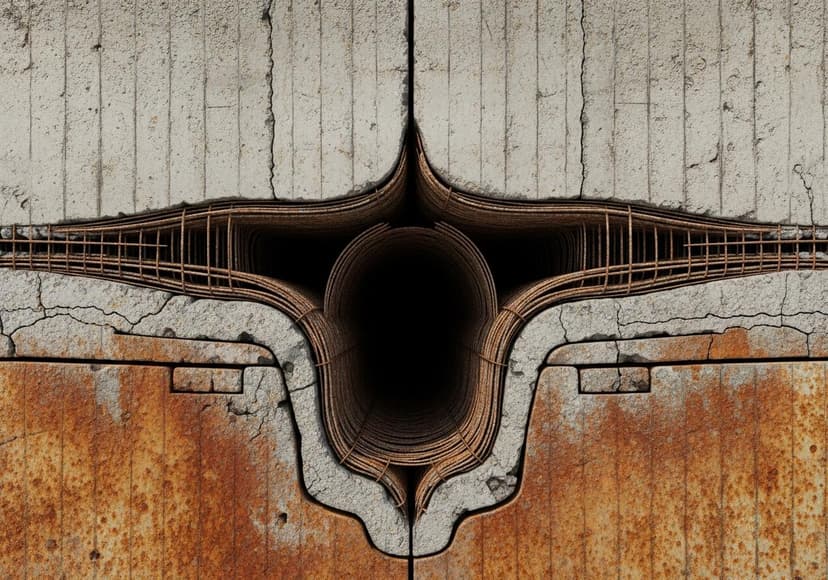
Corrosion is a silent enemy of concrete structures, often going unnoticed until it's too late. Regular corrosion analysis can help identify risks early. For instance, if the rebar inside concrete begins to corrode, it can weaken the entire structure. Therefore, understanding Corrosion Analysis is critical for any structural assessment.
Structural Health Monitoring
Structural Health Monitoring (SHM) is an ongoing process that uses various technologies to monitor structural integrity over time. By continually assessing the condition of a structure, problems can be identified before they lead to catastrophic failures. Technologies used include sensors that detect vibrations or shifts in structural components.
Load Testing for Reliability
Load testing is one of the definitive ways to evaluate the real-world performance of a structure. In this test, the structure is subjected to various loads. This helps engineers assess whether it meets safety standards and load requirements. It's an invaluable tool for assessing structures expected to bear heavy loads, especially in seismic zones.
Finite Element Analysis in Structural Assessment
Finite Element Analysis (FEA) is a numerical method that divides a complex structure into smaller parts, allowing for detailed scrutiny. This method aids in predicting how a structure will react under different conditions, including seismic events. FEA can provide insights that make it an indispensable tool in the modern engineer's toolbox.
Importance of Crack Mapping
Crack Mapping is essential in assessing the condition of concrete structures. By documenting the size and location of cracks, engineers can evaluate their significance and decide on the best course of action. Proper mapping helps distinguish non-structural from structural cracks, guiding repair strategies effectively.
Rebar Inspection: Checking Structural Integrity
Rebar Inspection is crucial, especially in structures like bridges and high-rises. If rebar is compromised, the concrete structure cannot function optimally. This is especially relevant when assessing buildings in seismic zones, where the integrity of both concrete and rebar is paramount.
Concrete Repair: Mitigating Damage
Once damage is identified through various assessment techniques, Concrete Repair becomes a priority. Repair methods can vary, from filling cracks with epoxy to complete replacement of damaged sections. The method selected often depends on the extent of the damage and the budget available.
The Significance of Damage Assessment
Damage Assessment encompasses a thorough evaluation of all identified issues within a structure. This involves compiling data from inspections and tests to present a clear picture of the existing conditions. A well-executed damage assessment helps inform repair strategies, ensuring sustainability and safety.
Seismic Evaluation: Protecting Against Disasters
The assessment of concrete structures for earthquake resilience is known as Seismic Evaluation. This involves determining how a structure will behave during tremors and making necessary improvements. Given the increase in urbanization and the vast range of seismic activities, understanding seismic evaluation is crucial.
Conclusion: The Future of Concrete Structural Assessment
In conclusion, the assessment of concrete structures is vital for public safety and the longevity of buildings. Techniques like Structural Health Monitoring, Corrosion Analysis, and Load Testing play pivotal roles in ensuring that structures can withstand the test of time and nature. The significance of Seismic Evaluation cannot be overstated, especially in earthquake-prone areas. As technology advances, these methods will become even more precise, enabling safer cities for all.
Posts Relacionados

115 Mediterranean Kitchen Inspiration
Explore captivating Mediterranean kitchen designs! Discover colors, layouts, and charming details for your dream space.

2026 Ram 1500 Redesign Details
Selecting top-rated windows ensures energy efficiency, curb appeal, and lasting value for your home improvement.

24 Hour Emergency Plumbing Service
Quick response for urgent plumbing issues, providing immediate assistance and resolving unexpected crises efficiently.