Air Pollution Links To Lung Cancer
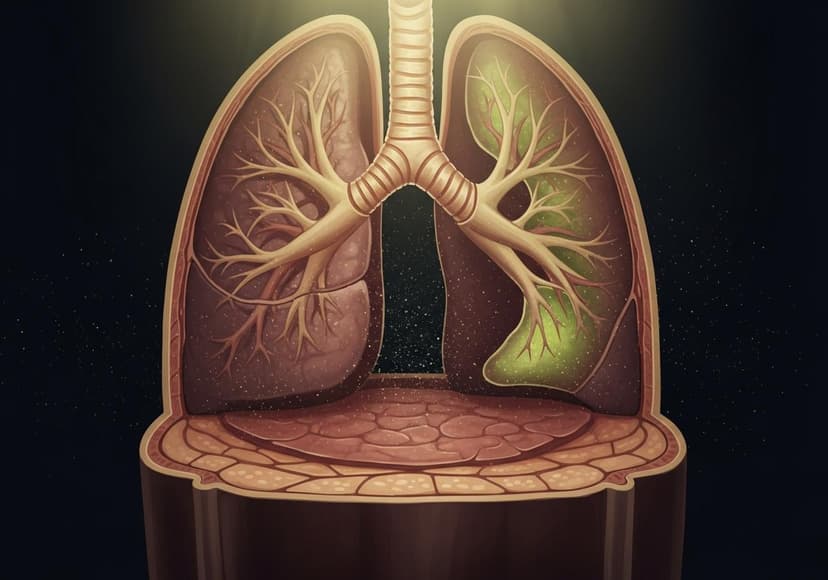
Exposure to pollutants increases the risk of lung cancer. Carcinogens in polluted air can damage lung cells.
A Quick Overview of Air Pollution
Air pollution is a growing concern worldwide. It affects millions of people and can lead to numerous health issues. One of the most alarming links is between air pollution and lung cancer. Research has shown that being exposed to polluted air can significantly increase the risk of developing this life-threatening disease. Everyone should be aware of the factors contributing to air pollution and how they impact their health.
Understanding the Types of Air Pollutants
The air we breathe is contaminated with various substances that can cause severe health problems. Among the most dangerous pollutants are asbestos, radon, and various heavy metals like arsenic, cadmium, and nickel. These substances are known carcinogens that can increase the risk of developing lung cancer. Another significant contributor to air pollution is diesel exhaust, which has been linked to respiratory issues and has a strong association with lung cancer.
The Relationship Between Coal Smoke and Lung Cancer
One of the most insidious forms of air pollution comes from burning coal. Coal smoke contains a cocktail of harmful substances, including polycyclic aromatic hydrocarbons (PAHs), which are proven carcinogens. When inhaled, these substances can alter lung cells and lead to cancerous growth over time. It’s especially concerning for those who live near coal plants or work in coal mines, as they are exposed to concentrated levels of these deadly toxins.
Heavy Metals and Their Impact on Lung Health
Heavy metals like chromium, beryllium, and arsenic are found in various industrial emissions. When these metals are inhaled, they can cause direct damage to lung tissue and alter cellular function. Long-term exposure can lead to chronic health issues, including an increased risk of lung cancer. Industrial workers, in particular, need to be aware of these risks in their environments.
Radon: An Invisible Danger
While air pollution from factories and vehicles is well-known, many people overlook radon, a colorless, odorless gas that can seep into homes from the ground. According to the Centers for Disease Control and Prevention, radon exposure is the second leading cause of lung cancer after smoking. For more information on how radon contributes to lung cancer, you can visit this site.
The Role of Asbestos in Lung Cancer
Asbestos is another hazardous pollutant linked to lung cancer. Historically used in construction, the tiny fibers can become airborne and be inhaled, causing serious lung diseases, including lung cancer. Most cases of asbestos-related lung cancer happen years after exposure, which makes it a silent killer. Awareness around asbestos exposure is crucial for preventing lung cancer and protecting public health.
Chemical Exposure: Vinyl Chloride and Mustard Gas
Chemicals like vinyl chloride and mustard gas also add to the risk of lung cancer. Vinyl chloride is used primarily in the production of PVC and can cause respiratory issues when inhaled. On the other hand, mustard gas, used as a chemical weapon, has severe long-term effects on lung tissue. Those who work in chemical plants or have exposure in their environment should take precautions to minimize their risk.
How Lifestyle Choices Impact Lung Cancer Risk
While exposure to air pollutants undeniably increases the risk of lung cancer, lifestyle choices like smoking can amplify that risk. Smokers who are also exposed to air pollutants face a significantly greater danger. For more insights on smoking and lung cancer, you can read more here. Quitting smoking is crucial, especially for those living in polluted areas.
Why Monitoring Air Quality is Critical
Monitoring air quality is vital for public health. Awareness of pollution levels can help individuals take action to protect their health, especially in urban areas where air quality often deteriorates. Communities can advocate for cleaner air policies, invest in renewable energy, and reduce the burning of fossil fuels to combat air pollution and, consequently, decrease lung cancer rates.
Government Regulations and Changes Needed
Governments have a crucial role in combating air pollution. Stricter regulations on emissions from factories and vehicles can significantly mitigate the risk of lung cancer. It’s essential for lawmakers to prioritize air health and enforce policies that limit harmful pollutants. Advocacy efforts from environmental organizations are also paramount to achieve cleaner air for all citizens.
The Importance of Community Action
Communities can engage in local initiatives to reduce air pollution. Planting trees, promoting cycling, and reducing vehicle usage can collectively improve air quality. Each little effort toward sustainability contributes to a healthier living environment and reduces the risk of lung cancer for everyone. Active participation can lead to impactful changes on community well-being.
Conclusion: Air Pollution and Lung Cancer Awareness
The link between air pollution and lung cancer is undeniable. Pollutants like coal smoke, asbestos, radon, and various heavy metals contribute to increased cancer rates. Understanding these links is the first step toward promoting awareness and advocating for cleaner air. Everyone has a role to play in protecting themselves and their environment. For detailed information on the causes of lung cancer, you can visit this resource. Stay informed, stay healthy, and take action against air pollution!
Posts Relacionados

1Md Supplements Where To Buy Them
Find 1MD supplements at various retailers, ensuring quality and availability for your health needs.

24 7 Emergency Dental Care Guide
Dental emergencies can happen unexpectedly and require fast action. Common situations include severe toothaches, broken or chipped teeth, knocked-out ...

24 Hour Emergency Dentist
Urgent dental issues addressed swiftly, offering immediate relief. Comprehensive emergency services are available for various dental problems.