3D Remodeling Tools For Architecture
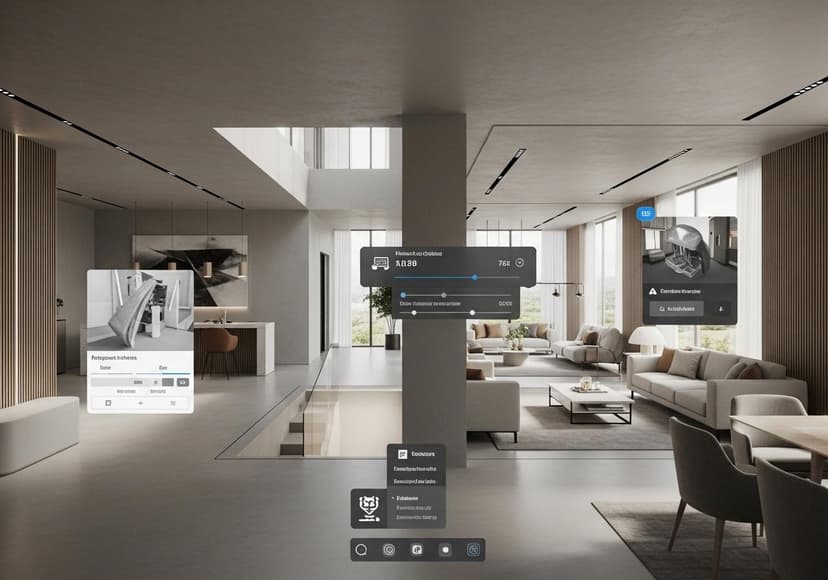
Architects utilize innovative software, streamlining design, enhancing precision, and realizing immersive architectural visualizations efficiently.
Welcome to the world of Digital Architecture, where imagination meets technology. The integration of 3D remodeling tools has revolutionized the way architects and designers work, turning visions into stunning realities. Whether you are an aspiring architect or a seasoned professional, understanding the significance of 3D modeling software is crucial in today's architectural landscape. In this blog post, we will explore the various 3D remodeling tools available in the industry, focusing on their functionalities and how they can elevate your architectural design projects.
Understanding 3D Modeling Software
3D modeling software serves as the backbone of modern architectural design. It allows architects to create detailed three-dimensional representations of their projects. Unlike traditional blueprints, 3D models provide a more intuitive understanding of space, helping clients and stakeholders visualize the final product. By utilizing this technology, architects can make informed decisions early in the design process, which often leads to more efficient project execution.
Various 3D modeling software programs cater to different needs in the architectural domain. Popular options include BIM software, which focuses on building information modeling. This approach allows architects to integrate both structural and aesthetic elements into a cohesive model. Other noteworthy tools include CAD software, known for its precise drawing capabilities, and interior design software, which offers specialized features for interior aesthetics. To discover more about these tools, check out this beginner's guide on 3D modeling.
The Role of BIM Software
BIM software has become a game-changer in architectural design. It integrates various information streams into one comprehensive model, facilitating collaboration between architects, engineers, and contractors. With BIM, 3D visualization becomes more tangible, enabling professionals to anticipate and mitigate potential design issues before ground is ever broken. It's not just about the design anymore; it's about the entire lifecycle of the building.
The benefits of implementing BIM software in architectural projects are manifold. Real-time changes can be made to designs, ensuring all stakeholders are updated instantly. Additionally, BIM software often includes tools for photorealistic rendering, which allows architects to create lifelike visualizations of their projects. This is incredibly valuable for client presentations and approvals. If you're keen on exploring the best 3D remodeling software available as we move into 2025, check out this insightful article on best software options.
Exploring CAD Software
Computer-Aided Design (CAD) software remains a staple in the architectural toolkit. Unlike its 3D modeling counterparts, CAD software allows for precise 2D and 3D drafting, essential for establishing dimensions and specifications. While the industry is leaning toward more integrated solutions like BIM, CAD remains valuable for detailed component design.
CAD software includes features that streamline the design process, such as parametric modeling. This allows designers to set parameters and constraints, automatically adjusting the design to meet specific criteria. With CAD software, users can also export files for CNC machines, ensuring the design can be realized in the real world.
3D Rendering and Visualization
3D rendering is another crucial aspect of digital architecture. It involves creating high-quality visualizations of a project, which can significantly enhance client understanding and engagement. With advancements in rendering technology, achieving photorealistic rendering is not only possible but increasingly straightforward.
3D visualization enables architects to present their designs in a way that truly encapsulates the project's vision. This can include both exterior and interior design software, each catering to different aspects of the project. Exterior design software focuses on the building and its surroundings, while interior design software hones in on furniture, fixtures, and layout. The impact of good 3D visualization cannot be overstated; it's a powerful tool that can make proposals much more compelling.
Incorporating Virtual Reality and Augmented Reality
The future of architecture is also being shaped by virtual reality architecture (VR). This technology allows clients to experience a space before it's built through immersive environments. Imagine walking through your new home while it's still in the design phase! This level of interactivity offers a deeper understanding of space than traditional methods ever could.
Integrating VR into the architectural design process allows for instant feedback and adjustments, significantly streamlining the workflow. Moreover, it opens avenues for client engagement, providing a platform where they can visualize their ideas and offer input in real-time. Architects who incorporate VR into their design process can set themselves apart in a competitive landscape.
Understanding Digital Architecture
Digital architecture is not just about utilizing software; it represents a broader shift in how we approach architectural design. By adopting new technologies, architects can create designs that are both innovative and contextually responsive. It requires a balance between technical skills and creative vision, making it an exciting field for new and experienced architects alike.
As we move forward, trends like parametric modeling and algorithmic design will continue to shape the landscape of contemporary architecture. These approaches enable architects to create adaptable structures that can respond dynamically to their environment. The fusion of technology and creativity will undoubtedly pave the way for the next generation of architectural achievements.
Conclusion: The Importance of 3D Remodeling Tools
In summary, the evolution of 3D remodeling tools for architecture has equipped architects with the resources to push the boundaries of design. By leveraging software like BIM, CAD, and various 3D visualization tools, architects can transform their ideas into tangible realities that cater to the needs of clients and communities alike. As digital architecture continues to evolve, staying updated with the latest tools and techniques will be crucial for success in the field.
For a deeper dive into 3D remodeling tools and their impact on architecture, check out this comprehensive overview. The future of architecture is here, and it's digital!
Posts Relacionados

115 Mediterranean Kitchen Inspiration
Explore captivating Mediterranean kitchen designs! Discover colors, layouts, and charming details for your dream space.

2026 Ram 1500 Redesign Details
Selecting top-rated windows ensures energy efficiency, curb appeal, and lasting value for your home improvement.

24 Hour Emergency Plumbing Service
Quick response for urgent plumbing issues, providing immediate assistance and resolving unexpected crises efficiently.